
The Harmony between Biblical Laws and Earthly Laws
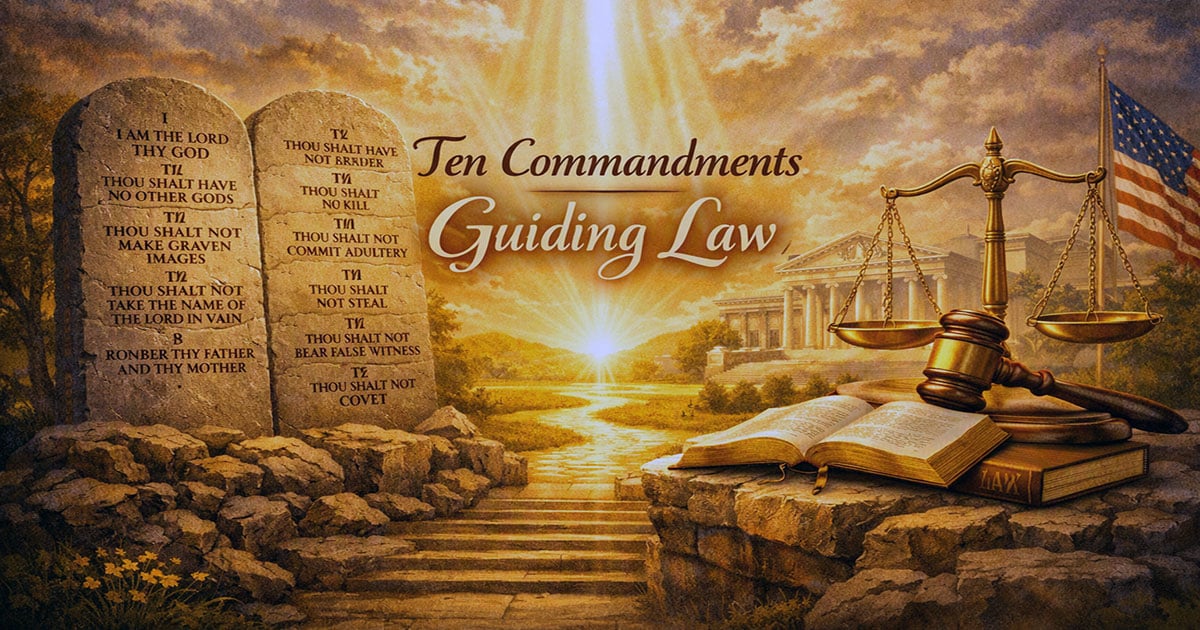
Biblical Law and Earthly Law: How Do They Compare?
Understanding the Relationship Between God’s Law and Human Government
Christians, theologians, and legal scholars have examined the relationship between biblical law and earthly law for centuries. Many believers ask how God’s commandments relate to the laws enacted by human governments. Although God established biblical law and governments enact civil law, both often promote justice, order, and the well-being of society.
The Bible reveals God as the ultimate source of truth, righteousness, and justice. God also appoints civil governments to preserve order, punish wrongdoing, and protect citizens (Romans 13:1–7). While biblical law and earthly law serve different purposes, they frequently share moral principles that benefit individuals and communities.
Biblical Law and Civil Law Share Moral Foundations
One of the strongest connections between God’s law and human law is their commitment to protecting life and encouraging moral behavior. For example, the Sixth Commandment, “You shall not murder” (Exodus 20:13, NKJV), aligns with criminal laws that prohibit murder in nearly every nation.
Likewise, many legal systems prohibit theft, fraud, perjury, and injustice—principles that Scripture also condemns. These shared standards show that honesty, integrity, justice, and respect for others strengthen families, communities, and nations.
Although governments do not base every law directly on Scripture, biblical moral principles have influenced many legal systems throughout history. These enduring values continue to shape laws that promote justice and protect human dignity.
Key Differences Between Biblical Law and Earthly Law
Despite these similarities, biblical law and earthly law serve different purposes. God gave Israel moral, ceremonial, and civil laws under the Old Covenant. Some commands governed Israel’s national identity, worship, and covenant relationship with God rather than providing universal civil legislation for every nation.
Modern governments create laws that address contemporary issues such as commerce, transportation, public safety, taxation, technology, and national security. Legislators design these laws to govern society and respond to changing circumstances.
Because these legal systems serve different roles, Christians should not expect every Old Testament law to function as a direct blueprint for modern civil governments.
When Biblical Law and Human Law Conflict
Scripture teaches believers to respect governing authorities because God appoints them to maintain order and administer justice (Romans 13:1–7). Christians should obey civil laws whenever those laws do not conflict with God’s commands.
However, the Bible also records faithful believers who chose obedience to God over obedience to human authorities. When religious leaders commanded the apostles to stop preaching Christ, Peter declared, “We ought to obey God rather than men” (Acts 5:29, NKJV).
This biblical principle reminds Christians that God’s authority always takes precedence whenever human laws require disobedience to His Word.
Pursuing Justice Through Biblical Wisdom
Strong societies flourish when leaders exercise wisdom, fairness, integrity, and respect for human dignity. Lawmakers, judges, and citizens all benefit from biblical principles such as truthfulness, impartiality, compassion, mercy, and accountability. Scripture consistently emphasizes these qualities because they promote justice and strengthen communities.
Although no human government is perfect, biblical wisdom continues to guide those who seek justice, defend the vulnerable, and uphold righteousness.
Conclusion
Biblical law and earthly law share many moral principles, yet they operate under different authorities and fulfill different purposes. Many civil laws reflect biblical values such as protecting life, promoting justice, encouraging honesty, and respecting others. At the same time, Scripture distinguishes God’s covenant law from the responsibilities of human government.
Christians honor God by respecting lawful authority while remaining faithful to His Word. When believers understand the distinct roles of biblical law and civil government, they can serve as responsible citizens, pursue justice, and faithfully represent Christ in society.
Frequently Asked Questions
Does the Bible teach Christians to obey government?
Yes. Romans 13:1–7 instructs believers to respect governing authorities because God allows governments to maintain order and administer justice. However, Acts 5:29 teaches that Christians must obey God whenever human laws contradict His commands.
What is the difference between biblical law and earthly law?
Biblical law comes from God and reveals His righteous standards. Earthly law comes from human governments and regulates society. While they often share moral principles, they serve different purposes and operate under different authorities.
Should Christians follow Old Testament laws today?
Christians recognize that God gave many Old Testament laws specifically to Israel under the Old Covenant. While the moral principles remain valuable, believers interpret those laws through the teachings of Jesus Christ and the New Testament.


Leave a Reply