
Why Oppressing the Poor Brings Destruction
Proverbs 28:3 NKJV
“A poor man who oppresses the poor is like a driving rain which leaves no food.”
The Book of Proverbs is filled with practical wisdom for everyday life, addressing relationships, integrity, justice, and the fear of the Lord. Proverbs 28:3 presents a striking illustration of how destructive injustice can be, especially when it comes from someone who understands poverty firsthand.
At first glance, this verse may seem surprising. Why would a poor person oppress another poor person? Yet Solomon reveals a timeless truth about human nature: hardship alone does not guarantee compassion. Without godly wisdom, anyone can misuse power for personal gain.
Understanding the meaning of Proverbs 28:3 helps believers recognize God’s heart for justice and His desire for people to treat one another with mercy and fairness.
What Does Proverbs 28:3 Mean?
Proverbs 28:3 compares an oppressive poor man to a driving rain that leaves no food. While rain usually nourishes crops, an overwhelming storm destroys them. Instead of producing life, it brings devastation.
Likewise, a person who mistreats those who are already vulnerable causes even greater suffering. Rather than helping others overcome hardship, they deepen the pain and remove hope.
The comparison teaches that oppression is destructive regardless of who commits it. Whether rich or poor, those who abuse authority or exploit others stand against God’s standard of righteousness.
Why Would a Poor Person Oppress the Poor?
This proverb is not condemning poverty. Instead, it exposes the sinful condition of the human heart.
A poor person may gain even a small amount of influence or authority and choose to misuse it for selfish purposes. Throughout history, people from every economic background have exploited those weaker than themselves.
Scripture repeatedly teaches that sin is not limited by wealth or social status. Every person needs God’s wisdom to resist pride, greed, and injustice.
This verse reminds believers that true righteousness is demonstrated by how we treat others, especially those who cannot repay us.
The Symbolism of the Driving Rain
The image of a driving rain is one of the most memorable metaphors in Proverbs.
Healthy rainfall brings growth, nourishment, and abundance. A violent storm, however, washes away crops, destroys harvests, and leaves famine in its path.
In the same way, oppression strips people of opportunities, dignity, and hope. Instead of building others up, it tears them down and leaves lasting damage within families and communities.
Solomon uses this vivid illustration to show that injustice produces destruction rather than blessing.
God’s Heart for the Poor
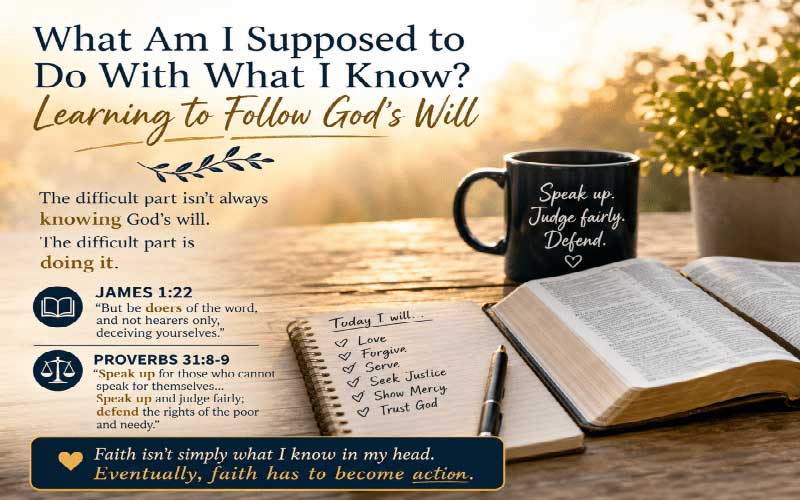
Throughout Scripture, God consistently shows concern for the poor, widows, orphans, and strangers. He commands His people to practice generosity, defend the vulnerable, and administer justice without favoritism.
The Bible teaches that caring for those in need is not simply an act of charity—it reflects God’s own character.
When believers show mercy, they become instruments of God’s compassion. When they exploit others, they contradict His commands.
Proverbs 28:3 reminds us that God sees every act of injustice and calls His people to live differently.
How Can We Apply Proverbs 28:3 Today?
Although this proverb was written thousands of years ago, its message remains highly relevant.
Modern forms of oppression may include:
- Taking advantage of someone’s financial hardship.
- Exploiting workers through unfair wages or dishonest practices.
- Manipulating vulnerable people for personal gain.
- Using positions of authority to mistreat those with fewer resources.
- Ignoring opportunities to show kindness and generosity.
Followers of Christ are called to become people who encourage, protect, and serve others rather than exploiting them.
Living out Proverbs 28:3 means choosing integrity over greed, mercy over selfishness, and justice over oppression.
The Power of Compassion
Compassion has the power to transform lives.
When we recognize the dignity and value of every person created in God’s image, our actions begin to reflect God’s love. Small acts of generosity, encouragement, and fairness can have lasting effects on individuals, families, and entire communities.
Instead of becoming like the destructive rain described in Proverbs 28:3, believers are called to become a source of blessing that refreshes those around them.
Jesus perfectly demonstrated this compassion throughout His earthly ministry by caring for the poor, healing the brokenhearted, and defending those who were overlooked by society.
His example challenges us to extend the same grace and mercy to others.
Key Lessons from Proverbs 28:3
This proverb teaches several important spiritual truths:
- God condemns every form of oppression, regardless of who commits it.
- Poverty does not excuse sinful behavior.
- Compassion reflects the character of God.
- Justice and mercy should guide every believer’s actions.
- Small acts of kindness can help break cycles of suffering and injustice.
Conclusion
The meaning of Proverbs 28:3 goes far beyond financial hardship. Solomon warns that anyone who oppresses vulnerable people becomes like a destructive storm that leaves ruin behind.
Instead of exploiting others, God calls His people to become instruments of justice, compassion, and mercy. Every act of kindness reflects His heart and points others toward His righteousness.
As followers of Christ, we are challenged to examine our attitudes, treat others with dignity, and actively seek opportunities to help those in need. When we do, we become part of God’s work of bringing hope, not hardship, and blessing, not destruction.
Frequently Asked Questions
What does Proverbs 28:3 mean?
Proverbs 28:3 teaches that a poor person who exploits other poor people causes great harm, much like a destructive rainstorm that ruins crops. The verse emphasizes God’s hatred of injustice and oppression.
Why does God compare oppression to driving rain?
Driving rain destroys crops instead of helping them grow. Likewise, oppression destroys lives instead of helping people flourish, making it a fitting illustration of injustice.
How can Christians apply Proverbs 28:3 today?
Believers can apply this verse by treating others fairly, showing compassion to those in need, refusing to exploit the vulnerable, and supporting justice within their communities.

Leave a Reply